
Why Secure Document Shredding Is Essential for Hospitals
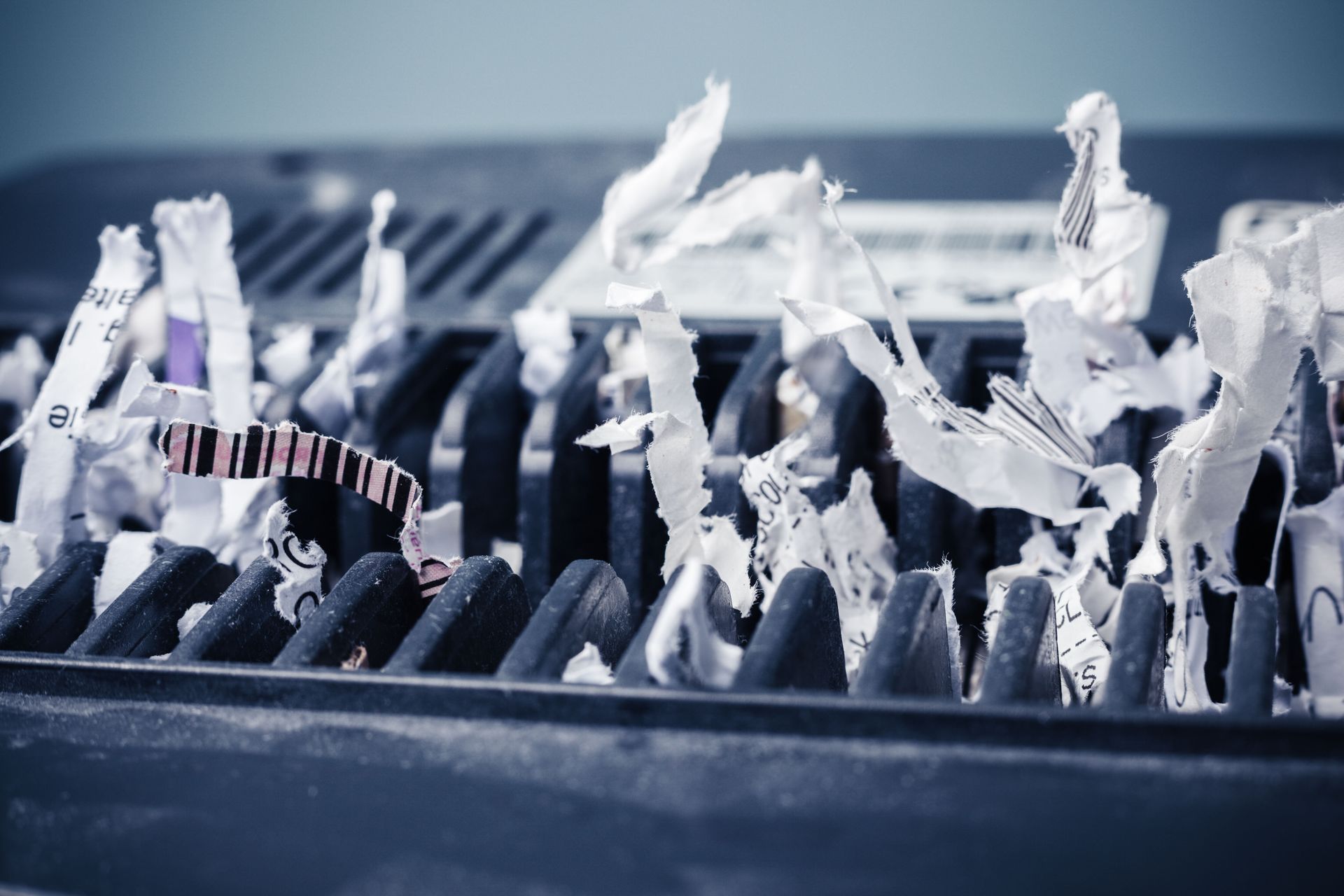
In the digital age, the healthcare sector exists at a crossroads of innovation and privacy preservation. Despite enormous strides in electronic health record systems, physical paper records continue to play an integral part in hospital operations. As paper remains a staple, the need for document shredding services to safeguard confidential information cannot be overstated. This article delves into why secure destruction is a fundamental practice for maintaining patient privacy, mitigating internal risks, and complying with regulations in modern medical facilities. Understanding these operational benefits and regulatory requirements smoothly guides us into examining the specific risks of improper disposal.
Understanding the Risks of Improper Disposal
When hospitals fail to dispose of paperwork securely, they risk exposing patients' personal data to unauthorized access. A breach of this nature can lead to identity theft, which causes irrevocable harm to affected individuals. The loss of patient confidence is another significant consequence, as people become wary of institutions that mismanage information. Facilities must prioritize safeguarding data to maintain their relationships. It is crucial to note that, according to Emerald Document Imaging, roughly 4.4% of individual healthcare breaches stem from physical paper records, underscoring the need for vigilance in handling files.
Facing Legal and Financial Repercussions
Healthcare providers are under stringent legal obligations to protect patient information, as decreed by various federal laws. Failure to uphold these responsibilities can result in severe legal repercussions, including massive fines and lawsuits. Hospitals that neglect regular document shredding services open themselves to charges of negligence and violations of privacy rights. Non-compliance with privacy regulations can lead to steep penalties that significantly impact financial health. By proactively implementing secure disposal practices, medical centers can significantly reduce the risk of facing these detrimental legal and financial challenges.
Suffering Reputational Damage and Fraud
The fallout from a data breach extends beyond immediate liabilities to potentially devastating reputational damage. Public perception plays a crucial role in healthcare, and a compromised reputation quickly leads to a loss in clientele. Improper disposal also increases the risk of both healthcare and insurance fraud. Fraudsters can exploit unsecured information to make unauthorized claims, which severely harms the hospital's credibility. To protect their standing, hospitals should ensure that document shredding services are a core part of their overall data protection strategy.
Complying With Healthcare and State Regulations
The Health Insurance Portability and Accountability Act establishes stringent requirements for protecting patient health information. This legislation mandates that any organization handling patient data must ensure proper disposal methods to maintain security. Utilizing professional document shredding services aligns with these mandates, detailing precisely how hospitals can obliterate paper records to uphold privacy. Beyond federal guidelines, facilities must also navigate complex state laws. Achieving accreditation is equally crucial, as entities often impose their own strict standards for handling and securely disposing of physical records.
Identifying Types of Documents Needing Destruction
Patient medical records contain highly sensitive data, ranging from diagnostic information to treatment histories. Shredding these items is imperative to prevent unauthorized access that could lead to identity theft. Medical files must be protected through total destruction, ensuring no personal health information is vulnerable. Likewise, billing and insurance information comprise financial details that can facilitate fraud if mishandled. These documents often contain patient names and payment information. Proper disposal mitigates the risk of this sensitive data ever falling into the wrong hands.
Securing Operational and Research Records
Documents pertaining to hospital operations, including staffing and logistics, also warrant secure destruction to protect proprietary information. Various operational printouts could contain strategic details that might disadvantage a hospital competitively if exposed. In addition, medical centers engage in extensive research and development activities, generating confidential records that contribute to innovative treatments. Protecting these files through secure disposal safeguards intellectual property and supports innovation. Regularly destroying operational documentation ensures the hospital remains protected in a highly dynamic and competitive healthcare landscape.
Disposing of Old and Unused Documents
Old and unused documents may seem negligible, yet they contain forgotten sensitive data that remains exploitable. Proper disposal ensures sensitive information does not persist past its utility. Facilities that maintain a systematic approach to clearing out outdated materials fortify their defenses against breaches. To achieve this, hospitals can utilize various methods and solutions, including dedicated document shredding services. We provide multiple options to help medical centers, including one-time bulk paper shredding, drop-off shredding, mobile shredding trucks, and on-site secure shredding to meet the diverse needs of large facilities.
Exploring Additional Secure Disposal Solutions
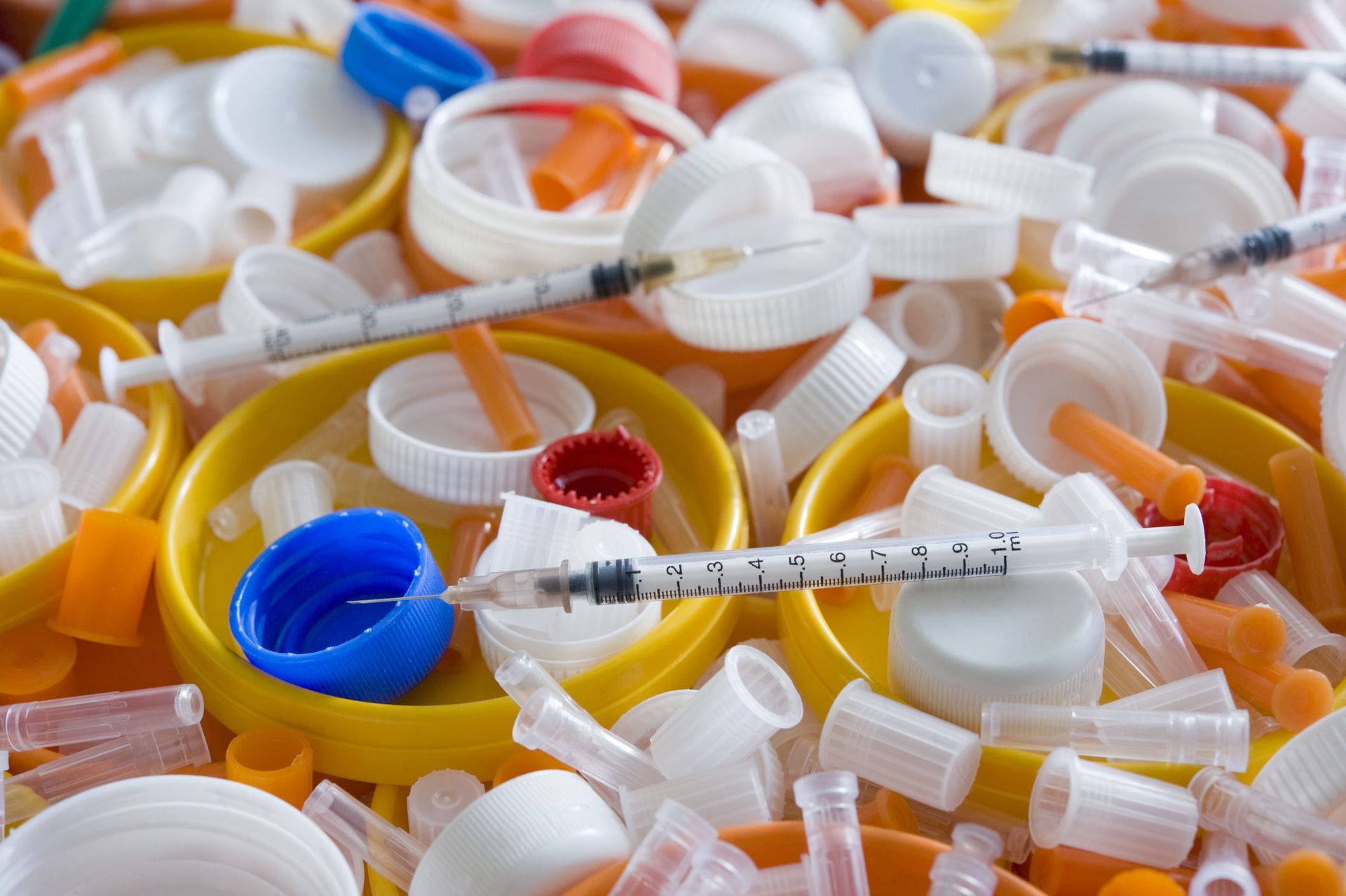
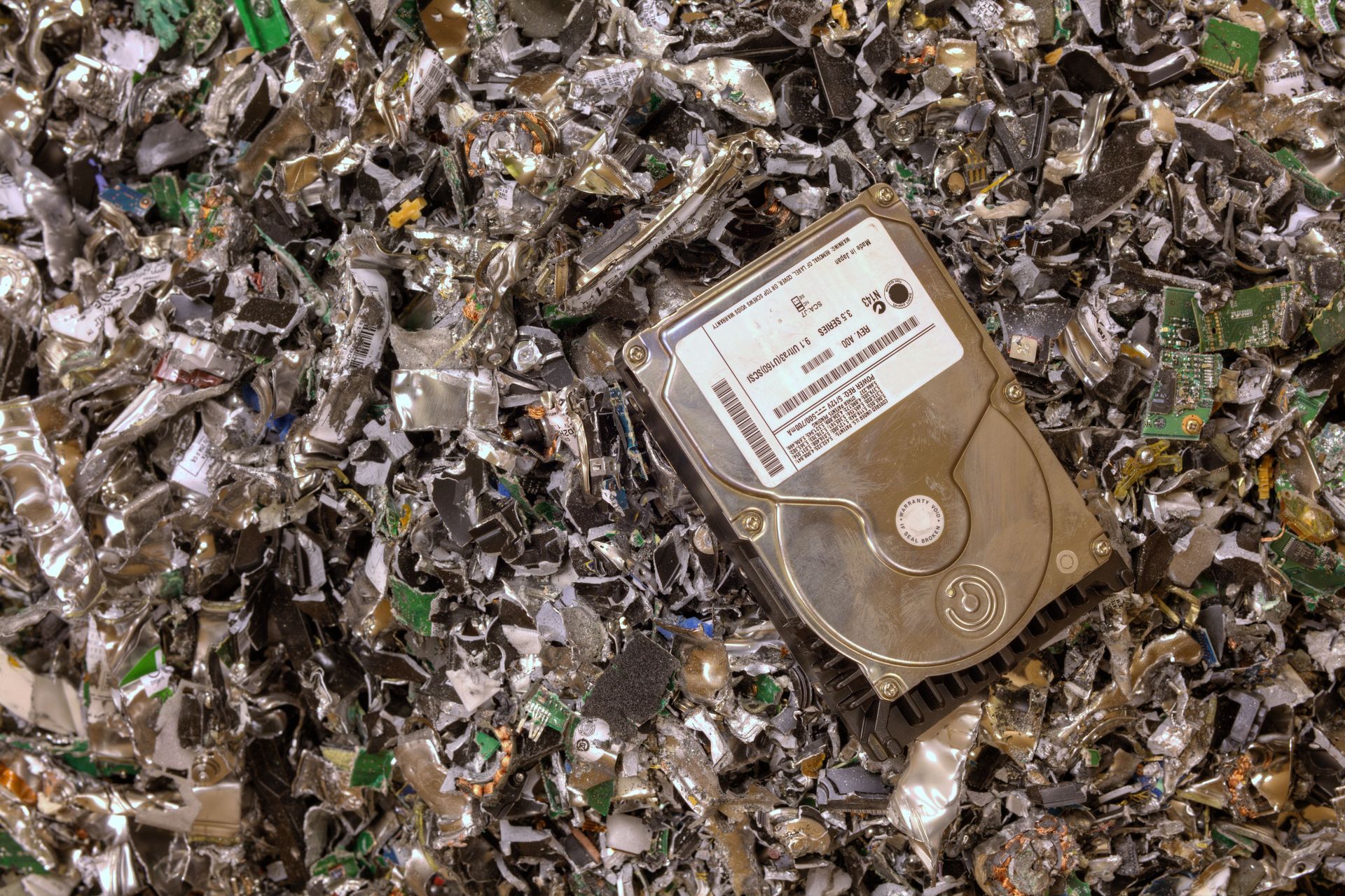
In addition to paper records, medical centers produce other hazardous and digital materials requiring careful handling. Disposing of digital assets properly is just as important as managing physical paper. Our comprehensive offerings also include medical waste disposal, hard drive and computer shredding, and targeted solutions like medical sharps disposal in Mesa to cover all aspects of hospital safety. Choosing the appropriate options ensures that every single piece of sensitive information - whether physical or digital - is irretrievably destroyed without any chance of recovery.
Maintaining Regular Secure Shredding Schedules
Maintaining a regular schedule is crucial for the effective management of document workflow within hospitals. Routine destruction ensures that sensitive papers do not accumulate, thereby reducing the risk of information leaks. By integrating document shredding services into standard operational procedures, hospitals streamline the disposal process and minimize backlog. A comprehensive policy defines responsibilities, methods, schedules, and provider relations. Clear communication bolsters policy adherence, establishing secure handling as a fundamental component of the hospital's overarching compliance strategy and daily operations.
Promoting Environmental and Financial Benefits
When paired with a recycling program, secure destruction offers substantial environmental benefits by reducing paper waste and promoting sustainability. Hospitals can partner with providers that offer responsible disposal practices, ensuring shredded material is recycled effectively. Emphasizing these considerations complements a hospital's core mission of care. Additionally, decluttering translates into tangible financial savings on storage and administrative management. An efficient strategy might cost a small operational fee but it ultimately saves thousands in potential liability and physical storage costs.
Boosting Staff Morale and Productivity
Clear protocols empower hospital staff with guidelines that streamline workflow and build confidence in data handling. Employee morale benefits from structured policies that remove ambiguity and reduce the risk of critical errors. With distinct responsibilities and expectations, workers can focus on core duties rather than mundane administrative tasks. This clarity drives higher productivity, as daily operations run smoothly and distractions are minimized. A reliable work environment ultimately benefits the medical staff, the patients, and the overall functionality of the hospital facility.
Assessing and Choosing a Provider
Implementing a secure program begins with evaluating existing disposal methods within the hospital. Conducting a thorough assessment reveals gaps in current strategies and identifies crucial areas for improvement. This step ensures administrators understand vulnerabilities and can devise a plan to bolster security. Choosing a provider is the next critical step. Hospitals must consider partners that demonstrate strict adherence to industry standards and possess robust security protocols. Finding the right organization guarantees that the facility receives consistent, compliant, and highly reliable disposal support.
Training Staff and Documenting Protocols
Training hospital employees is integral to the successful implementation of a destruction program, ensuring full comprehension of disposal procedures. Staff should receive comprehensive education on the importance of security. Clear documentation of these policies helps embed secure practices deeply within hospital operations. Well-documented guidelines provide the exact blueprint for consistent execution across all departments. This documentation solidifies the hospital's commitment to data security and instills confidence in stakeholders, ensuring everyone is consistently aligned with the facility's privacy goals and regulatory demands.
Secure disposal is indispensable for medical facilities committed to protecting patient privacy and regulatory compliance. By understanding the risks associated with improper handling, hospitals can preempt legal, financial, and reputational consequences. Adhering to regulations and maintaining robust protocols enhances operational efficiencies. The commitment to secure management forms the foundation for ethical healthcare delivery. For those ready to elevate their facility's privacy standards, Cutters Document Destruction is here to help. We are dedicated to providing top-tier document shredding services that you can confidently rely on. Contact us today to ensure your hospital's sensitive data remains completely secure.

Share On: