
Understanding Medical Sharps Disposal Regulations
The disposal of medical sharps, which includes needles, syringes, and lancets, is a critical aspect of healthcare that ensures safety and public health. Establishing clear protocols for medical sharps disposal protects waste handlers, clinical personnel, and communities from hazardous exposure. With the potential risks they pose, understanding the regulations surrounding their disposal is vital. These regulations are not only designed to protect healthcare workers and patients but also to mitigate environmental impacts. Over the years, several rules and frameworks have been implemented at various levels. Proper medical sharps disposal remains a cornerstone of modern biohazard management and infection control. This article delves deep into these aspects, examining the importance of adherence to these guidelines.
1. Overview of Medical Sharps
1.1 Definition and Types of Medical Sharps
Medical sharps are any items that can pierce or cut the skin, commonly used in healthcare settings. They include needles, syringes, scalpels, and similar devices used in medical treatments. Their role is indispensable in everyday medical procedures and practices, playing a critical part in patient care. However, due to their potential to cause injury or transmit infections, understanding their nature is crucial. Proper handling and medical sharps disposal ensure they do not harm individuals or the environment they are disposed of in.
1.2 Commonly Used Medical Tools Classified as Sharps
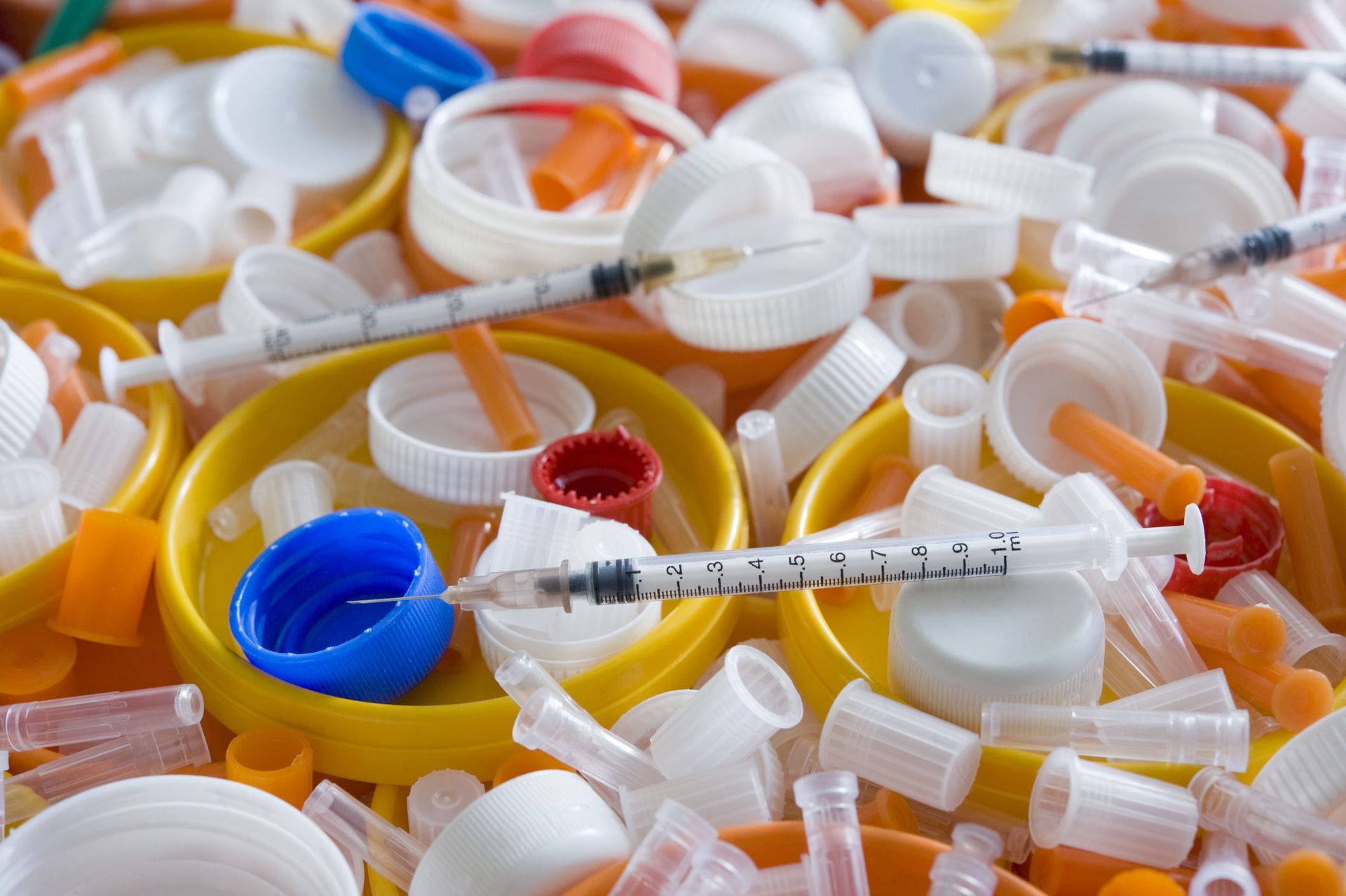
The most recognizable tools classified as sharps are needles and syringes, frequently used in both hospital settings and home-based medical care. Apart from these, lancets used for blood glucose testing and scalpels in surgeries are significant examples. Each tool serves a unique purpose and demands precise handling due to its design and intended penetration capability. Dental instruments and other surgical blades also fall under this category, highlighting the diversity of medical sharps. Their presence is ubiquitous across various medical and healthcare environments.
1.3 Risks Associated with Improper Sharps Disposal
Improper disposal of medical sharps can result in both direct and indirect adverse outcomes. Direct consequences include accidental needle-stick injuries to healthcare workers and the general public. Such incidents not only pose physical harm but can also lead to the transmission of infectious diseases such as HIV and hepatitis. The indirect impacts comprise environmental degradation caused by sharps leaching harmful substances into ecosystems. Therefore, compliant medical sharps disposal is essential to mitigate these risks.
1.4 Case Studies of Accidents Involving Sharps
Various case studies have highlighted the gravity of improper sharps disposal. In one instance, hospital staff faced severe health consequences following needle-stick injuries due to poorly managed waste protocols. Public health reports periodically highlight incidents where children accidentally come into contact with disposed sharps in public areas. According to the WHO, every year at least 16 billion injections are administered worldwide, underscoring the magnitude of potential exposure if disposal practices are subpar. The lessons from these scenarios stress the vital need for regulated medical sharps disposal to prevent such unfortunate events.
2. Legal Framework Governing Sharps Disposal
2.1 Federal Regulations in the United States
In the United States, federal regulations set forth by agencies like OSHA ensure safety in healthcare environments. These guidelines focus on managing healthcare waste, aiming to prevent occupational and public exposure to infectious materials. Regulatory requirements mandate stringent procedures, such as using specific puncture-resistant containers and following detailed medical sharps disposal methods. Future compliance demands an understanding of these policies to protect workers and the public effectively. The federal framework sets the baseline for handling sharps in all healthcare settings.
2.2 State and Local Regulations
In addition to federal mandates, state and local regulations offer more specific guidelines tailored to regional healthcare needs. These regulations may impose stricter record-keeping, monitoring, and reporting requirements for medical sharps disposal. Each state's health department is tasked with enforcing these rules, which can vary based on local epidemiological factors. Compliance ensures not only public safety but also avoidance of legal repercussions. Healthcare facilities must stay informed on both overarching and locality-specific regulations.
2.3 Comparison with International Regulations
The disposal of medical sharps internationally is governed by similar yet distinct regulations. In Europe, directives set by the European Union encompass waste management protocols harmonizing member states' practices. Meanwhile, developing countries face challenges, often dealing with weaker infrastructure and resource constraints. Global organizations, including the WHO, emphasize strengthening international cooperation and sharing best practices in medical sharps disposal. Awareness of international regulations expands a comprehensive understanding and benchmarking of practices.
3. Best Practices for Safe Disposal
3.1 Design and Use of Sharps Containers
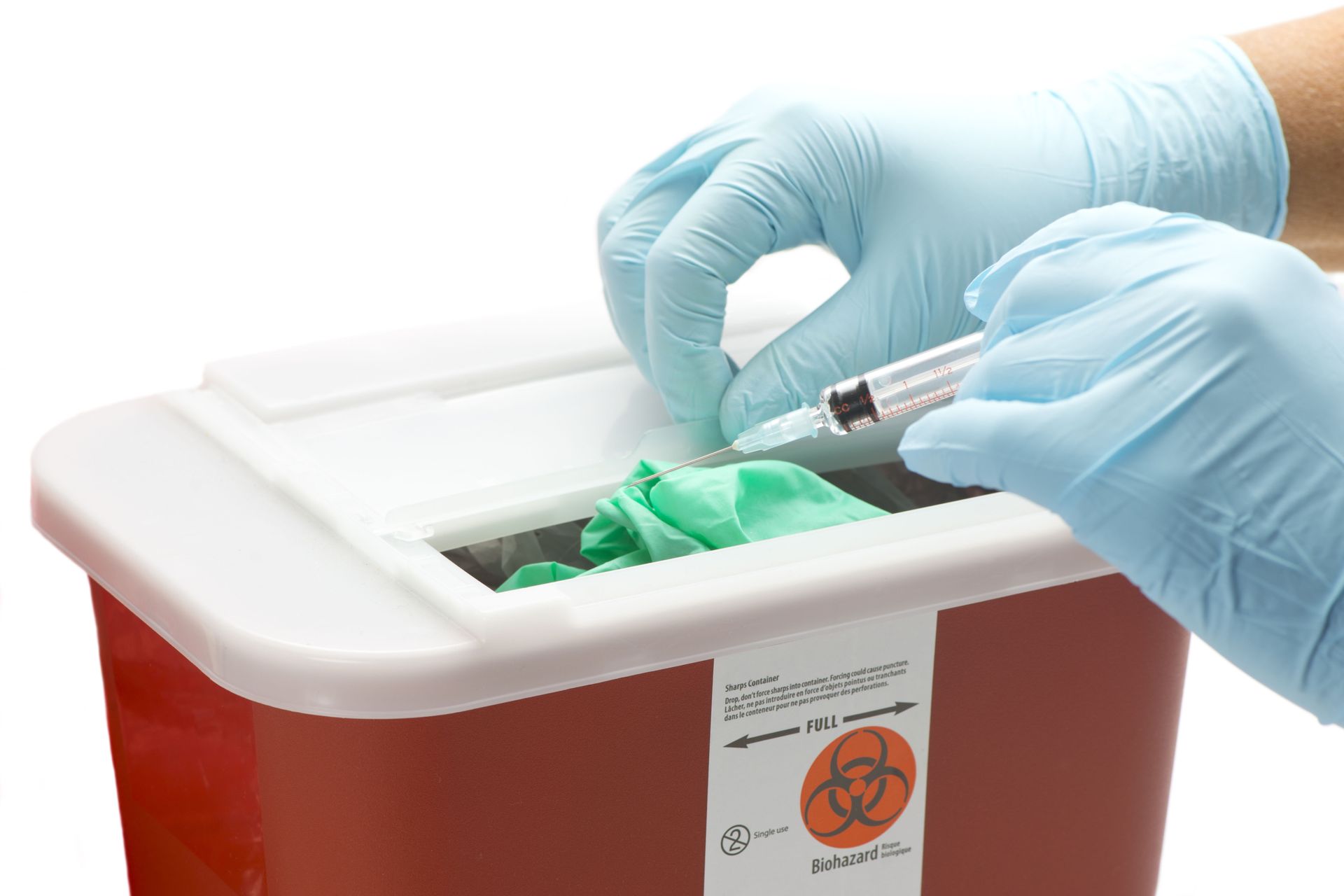
Sharps containers are meticulously designed to ensure safe collection prior to final medical sharps disposal. They are made of puncture-resistant materials and feature secure lids, reducing the risk of accidental exposure during handling. These containers come with clear labels indicating their purpose and must be replaced once they reach the fill line. Healthcare workers are trained to use these containers as part of standard practices, ensuring compliance and safety. Designs are continually assessed to improve effectiveness and user convenience.
3.2 Labeling and Signage Requirements
Proper labeling and signage are essential components of effective medical sharps disposal protocols. Each sharps container must display universally recognized biohazard symbols to warn users of potential risks. Detailed instructions encapsulated within clear labeling assist users in handling and disposal procedures. In healthcare settings, signs and labels enhance awareness and ensure that even non-medical staff members understand the hazards. Consistent implementation of these practices reduces mistakes and reinforces safety measures.
3.3 Techniques for Safe Handling and Disposal
Techniques for sharp handling and disposal involve systematic training and protocol development for healthcare workers. Staff are taught to minimize direct contact with sharps, utilizing specialized tools and practices for safer handling. Techniques such as not recapping needles after use and employing needleless systems significantly lower injury risks. The establishment of specific medical sharps disposal protocols, including container usage and waste storage, is vital in all healthcare settings. Comprehensive training ensures that workers remain safe and compliant with required practices.
4. The Role of Healthcare Providers
4.1 Responsibilities of Hospitals and Clinics
Hospitals and clinics bear a significant responsibility in managing and executing safe medical sharps disposal. These institutions are tasked with maintaining precise records and ensuring compliance with national and local regulations. Implementing comprehensive waste management policies and facilitating thorough staff training are crucial for maintaining safety standards. They must also foster a culture of accountability, where all staff members understand their roles in sharps safety. These practices collectively safeguard employees, patients, and the community.
4.2 Training Healthcare Workers in Sharps Safety
Healthcare workers are on the front lines, necessitating robust training in sharps safety and medical sharps disposal practices. Training programs include practical demonstrations, educational seminars, and assessments of knowledge retention. By ensuring that all staff are well-versed in compliance standards, facilities minimize risks associated with sharps handling. Continuous education and adaptation to evolving industry standards maintain high safety levels. This educational approach underlines the importance of proactive and informed healthcare administration.
The importance of adhering to medical sharps disposal regulations cannot be overstated, given the potential risks to healthcare workers, patients, the public, and the environment. Stringent regulatory frameworks and innovative practices play a crucial role in managing these concerns comprehensively. Understanding their critical components and actively engaging with them ensures continued safety and sustainability within healthcare disposal practices. Establishing accessible and standardized medical sharps disposal programs helps build safer communities and protects vital natural ecosystems. With ongoing advancements and community engagement, the future presents opportunities to further enhance protective measures. Through adherence and global cooperation, we can protect both human health and our planet from the adverse effects of improper medical sharps disposal. Contact Cutters Document Destruction today to learn more.

Share On: