
Technology-Driven Medical Waste Disposal and Compliance
Healthcare facilities generate waste every single day, from used gloves and syringes to laboratory materials and contaminated packaging. Managing that waste safely is not just about cleanliness. It is about protecting patients, staff, communities, and the environment. As regulations continue to evolve and healthcare operations become more complex, technology has stepped into a major role in shaping how waste is tracked, handled, and destroyed. Modern solutions are making processes more efficient while reducing risks associated with improper handling.
Technology is changing nearly every industry, and waste management is no exception. In healthcare environments, especially, precision matters. Even small errors in sorting, storage, transportation, or destruction can lead to compliance issues or safety concerns. That is why advanced systems for medical waste disposal are becoming essential. From automated tracking software to smart containers and data-driven reporting, these innovations are helping facilities stay organized and compliant while improving operational efficiency.
Healthcare Waste Management Is Growing in Complexity
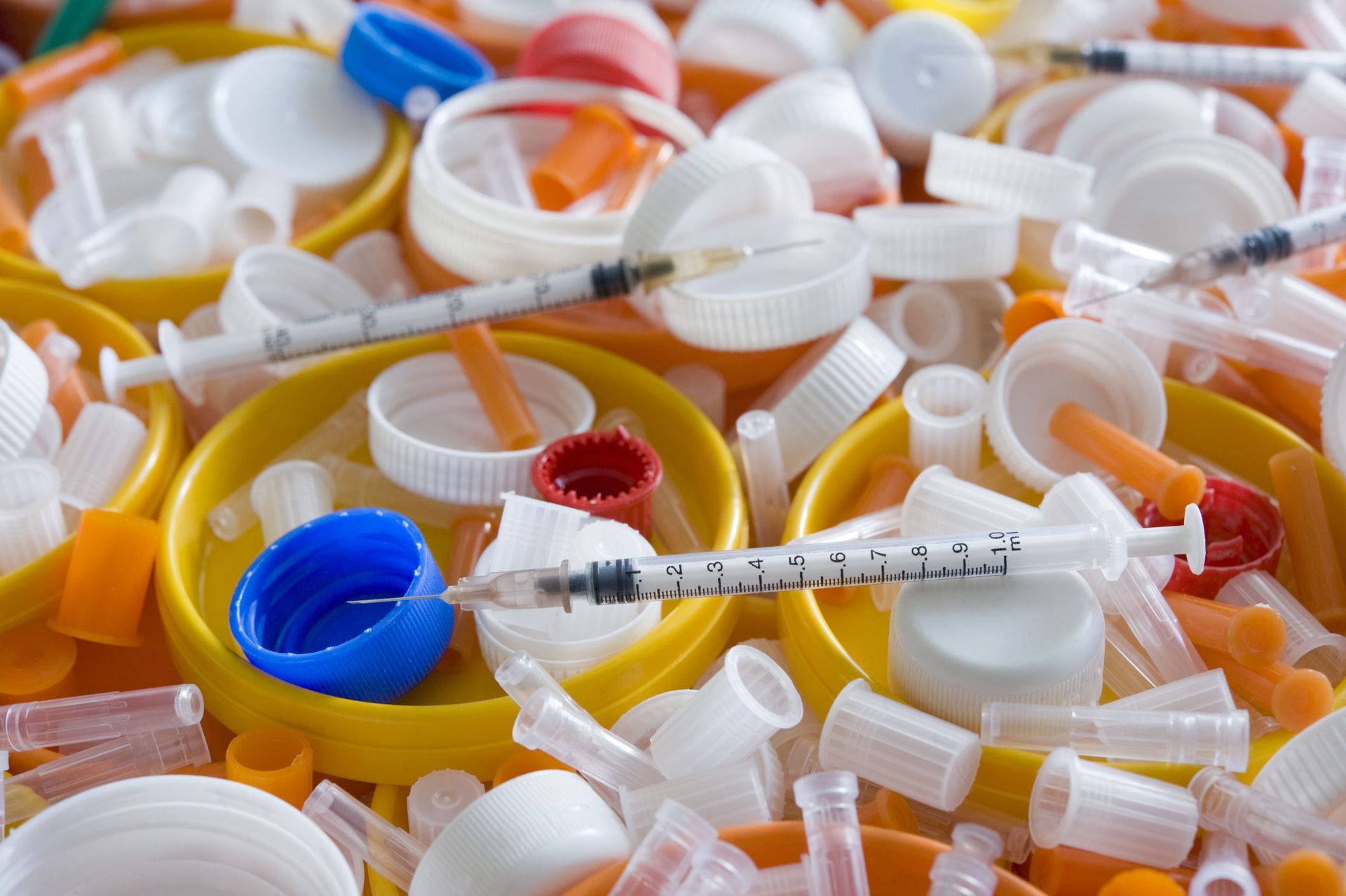
Healthcare waste is far more varied than many people realize. It includes sharps, pathological waste, pharmaceutical waste, contaminated personal protective equipment, and everyday materials that may or may not pose a hazard. Because each category often requires different handling procedures, the process can quickly become complicated.
As healthcare facilities expand services, increase patient volume, and adopt new treatments, the volume and complexity of waste naturally grow as well. This makes medical waste disposal increasingly difficult to manage using outdated manual systems. Paper logs and traditional checklists may leave too much room for human error. Technology helps reduce these gaps by creating more structured workflows and better oversight throughout the disposal process.
Automation Is Improving Waste Segregation
One of the most important parts of safe waste handling is proper segregation. Waste needs to be separated at the point of generation to ensure hazardous materials are handled appropriately. When segregation is done incorrectly, non-hazardous waste may be treated as hazardous, increasing costs, or hazardous materials may end up in the wrong stream, increasing safety risks.
Automated labeling systems, sensor-enabled bins, and digital guidance tools help staff sort waste more accurately. These systems can reduce confusion by clearly identifying what belongs in each container. Better segregation improves safety and supports more effective medical waste disposal by ensuring materials are processed according to regulatory standards.
Smart Containers Are Changing Collection Processes
Waste containers have become far more advanced than simple plastic bins. Smart containers can now include fill-level sensors, tamper alerts, and tracking capabilities. These features help facilities understand when containers need servicing and whether they have been moved or handled improperly.
Real-time monitoring improves collection efficiency. Instead of relying solely on fixed schedules, service teams can prioritize containers that actually require attention. This minimizes overflow risks and helps maintain cleaner, safer environments. Smart collection systems also create digital records that support compliance efforts related to medical waste disposal.
Digital Tracking Is Creating Better Accountability
Chain-of-custody documentation plays a critical role in healthcare waste management. Facilities need to know where waste originated, how it was categorized, when it was collected, and how it was ultimately destroyed. Missing records can create compliance concerns and operational headaches.
Digital tracking systems provide a clear record from start to finish. Barcodes, RFID tags, and cloud-based software allow organizations to document every movement. This visibility helps reduce lost documentation and improves accountability across departments. When regulators request records, digital systems make retrieval significantly easier, strengthening medical waste disposal compliance efforts.
Data Analytics Are Helping Facilities Reduce Risk
Technology does more than record information. It also helps organizations analyze it. Data analytics can reveal patterns in waste generation, identify inefficiencies, and uncover potential compliance concerns before they become major problems.
For example, a facility may discover that one department consistently generates unusually high hazardous waste volumes compared to similar departments. That insight may prompt operational review or additional staff training. Using analytics to guide decisions allows healthcare organizations to improve medical waste disposal strategies while controlling costs and reducing exposure to unnecessary risk.
Treating All Waste the Same Is Doing More Harm Than Good
Proper classification matters because not all healthcare waste carries the same level of risk. According to the WHO, approximately 85% of the total waste generated by healthcare activities is general, non-hazardous waste. The 15% are hazardous materials.
This distinction highlights why accurate segregation and tracking matter so much. Treating all waste as hazardous increases disposal costs unnecessarily, while mishandling hazardous materials can create safety and regulatory issues. Technology helps healthcare facilities classify materials more accurately, improving overall medical waste disposal processes and reducing costly mistakes.
Compliance Requirements Are Continuing to Evolve
Healthcare regulations rarely stay static. Federal, state, and local agencies continually update rules surrounding transportation, storage, documentation, and destruction of regulated waste. Facilities that fail to adapt may face fines, legal exposure, or reputational damage.
Technology makes it easier to stay current with changing requirements. Compliance software can automate reporting, flag missing documentation, and generate alerts when procedures fall outside established standards. Instead of scrambling to manually verify every requirement, organizations can rely on digital systems to support more consistent medical waste disposal compliance.
Transportation Technology Is Improving Security
The journey does not end when waste leaves a healthcare facility. Transportation introduces another layer of responsibility. Waste must reach treatment or destruction facilities safely, securely, and according to regulations.
GPS-enabled fleet monitoring and route optimization tools improve transport visibility. Operators can verify delivery timelines, monitor route deviations, and document transfers more accurately. These technologies strengthen chain-of-custody integrity and reduce vulnerabilities during transit. Secure transport is a major part of safe medical waste disposal, especially for materials requiring strict handling protocols.
Treatment Technology Is Becoming More Advanced
Waste treatment methods have advanced considerably over the years. While incineration remains important for certain materials, newer treatment technologies offer additional options depending on waste type and regulatory requirements.
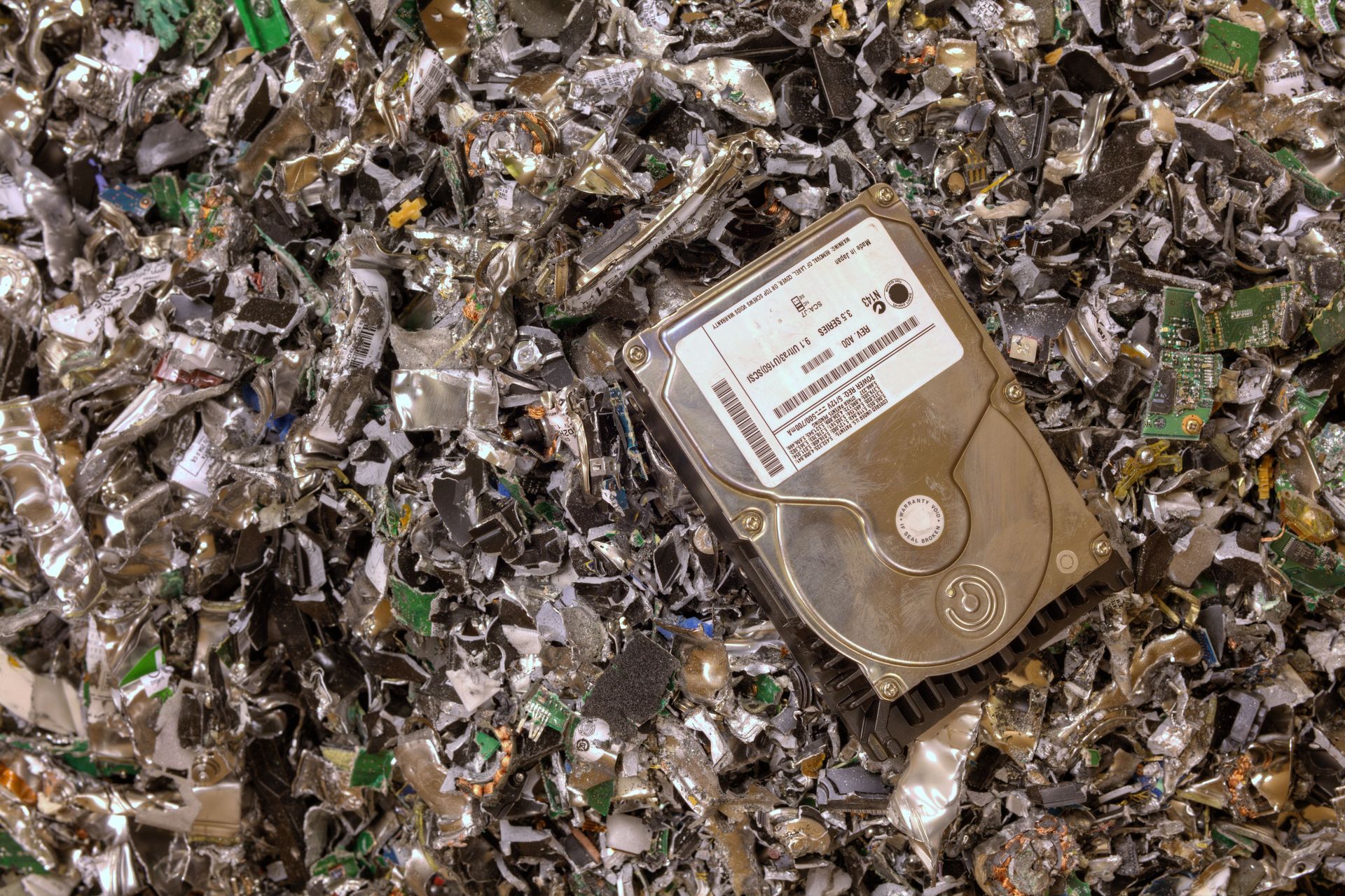
Autoclaves, advanced sterilization systems, and other treatment solutions can neutralize biological hazards effectively while supporting operational efficiency. Many of these systems incorporate digital controls that improve consistency and documentation. Facilities benefit from greater transparency in destruction processes, supporting safer medical waste disposal and stronger regulatory alignment.
Training Is Becoming More Effective With Digital Tools
Even with advanced systems in place, people remain central to compliance. Staff must understand handling procedures, safety protocols, and reporting requirements. Traditional training methods can be time-consuming and difficult to standardize across departments.
Digital learning platforms, interactive modules, and automated refresher reminders improve consistency. Staff can access training materials more easily and remain current on procedural updates. Better education reduces mistakes and supports safer medical waste disposal throughout the organization. Technology helps ensure training is not a one-time event but an ongoing process.
Technology alone does not guarantee safety or compliance. The real value comes from combining innovative tools with strong operational processes and experienced professionals. When these elements work together, healthcare organizations can manage waste more effectively and confidently.
As regulations evolve and waste streams become more complex, relying on outdated systems becomes increasingly risky. Modern tools improve visibility, efficiency, and accountability across every stage of the process. By embracing innovation, healthcare organizations can strengthen compliance and create safer environments for everyone involved in waste handling.
Technology is reshaping the way healthcare organizations approach waste management. From smarter segregation and secure transport to digital tracking and advanced treatment systems, modern tools are helping facilities operate more safely and efficiently. As compliance demands continue to grow, investing in stronger systems for medical waste disposal supports long-term operational success, better accountability, and improved protection for both people and the environment. Do you have medical waste you need to dispose of, but aren't sure how? Reach out to us at Cutters Document Destruction today to learn more information.


Share On: