
What Are the Risks of Improper Medical Waste Disposal?
Medical facilities generate significant amounts of waste every day, ranging from used needles and contaminated gloves to laboratory materials and pharmaceutical products. While much of this waste is harmless when handled correctly, certain materials can pose serious health, environmental, and legal risks if they are not disposed of properly. Understanding these dangers is essential for healthcare providers, medical offices, laboratories, and other organizations responsible for managing potentially hazardous materials.
Proper medical waste disposal plays an important role in protecting healthcare workers, patients, waste management personnel, and surrounding communities. Without appropriate procedures, hazardous materials can spread infections, contaminate the environment, and expose organizations to regulatory penalties. By recognizing the consequences of improper waste management, healthcare facilities can take meaningful steps toward maintaining safer and more responsible operations.
Increased Risk of Infectious Disease Transmission
One of the most significant dangers associated with improper medical waste disposal is the potential spread of infectious diseases. Certain types of medical waste contain blood, bodily fluids, or other materials that may carry harmful microorganisms. When these items are discarded without appropriate precautions, they can expose healthcare workers, sanitation employees, and others to potentially dangerous pathogens.
Used needles, contaminated bandages, and laboratory specimens are examples of materials that require specialized handling. If these items are mixed with ordinary trash, individuals who come into contact with them may face unnecessary exposure risks. Even seemingly minor mistakes, such as placing contaminated gloves in an inappropriate container, can contribute to unsafe conditions.
Healthcare facilities must establish clear procedures for identifying, separating, and containing infectious materials. Appropriate waste containers, employee training, and established collection schedules can help reduce accidental exposure. Working with professional waste management providers can also help facilities maintain consistent practices for handling potentially infectious materials.
Increased Risk of Needlestick Injuries
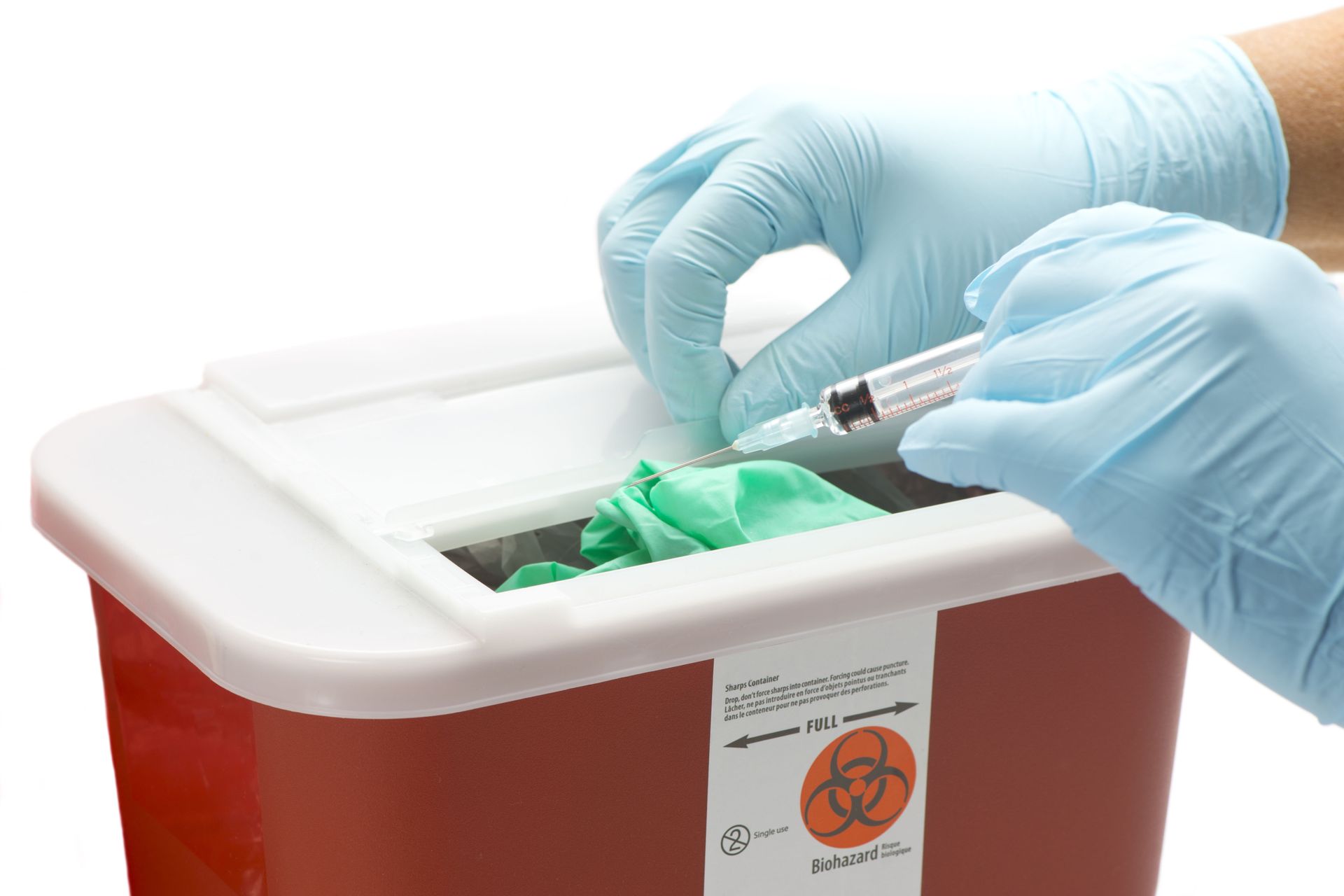
Improperly discarded needles and other sharp medical instruments create serious workplace safety hazards. Sharps include syringes, lancets, scalpels, and other objects capable of puncturing or cutting the skin. When these materials are placed in ordinary garbage bags or unsecured containers, they can injure anyone responsible for collecting, transporting, or processing the waste.
Needlestick injuries are particularly concerning because they may expose individuals to bloodborne pathogens, including hepatitis B, hepatitis C, and HIV. Although exposure does not necessarily result in infection, these incidents often require immediate medical evaluation, testing, and follow-up care.
Effective medical waste disposal procedures require sharps to be placed directly into approved, puncture-resistant containers. These containers should be positioned conveniently throughout medical facilities and replaced before reaching their designated fill limits.
Organizations should also provide employees with training on handling sharps safely and responding to accidental injuries. Establishing clear reporting procedures helps facilities address incidents promptly while identifying opportunities to improve workplace safety.
Increased Risk of Environmental Contamination
Improper waste management can have consequences that extend far beyond the walls of a healthcare facility. When hazardous medical materials enter ordinary landfills, waterways, or drainage systems, they may contribute to environmental contamination. Certain pharmaceutical products, chemical substances, and laboratory materials can be particularly harmful when released into the environment.
For example, disposing of medications through sinks or toilets may introduce pharmaceutical residues into wastewater systems. Similarly, improperly discarded chemical waste can affect soil and water quality if hazardous substances escape their containers.
According to Research and Markets, U.S. hospitals generate up to 14,000 tons of waste daily, equivalent to approximately 33.8 pounds per patient. This substantial volume highlights the importance of establishing effective waste management practices throughout the healthcare industry.
Not all medical waste requires specialized treatment, but correctly identifying hazardous materials is essential. Healthcare organizations should separate regulated medical waste from ordinary refuse and follow applicable disposal requirements. These precautions help reduce unnecessary environmental exposure while promoting more responsible waste management.
Increased Risk of Regulatory Violations
Healthcare facilities must comply with various federal, state, and local regulations governing the handling and disposal of medical waste. Depending on the materials involved, these requirements may address waste classification, storage, labeling, transportation, treatment, and documentation.
Organizations that fail to follow applicable regulations may face inspections, corrective actions, financial penalties, or other enforcement measures. Violations can occur when hazardous materials are placed in incorrect containers, waste is stored improperly, or required documentation is incomplete.
Regulatory responsibilities can also vary depending on the type of facility and the state in which it operates. For example, medical offices, hospitals, dental practices, and laboratories may generate different categories of regulated waste.
Professional medical waste disposal services can help organizations understand appropriate collection and handling procedures. However, facilities remain responsible for meeting their own regulatory obligations. Regular staff training, internal inspections, and accurate recordkeeping can help identify potential compliance issues before they become more serious problems.
Increased Risk of Workplace Accidents
Beyond infectious disease exposure and needlestick injuries, improper waste handling can contribute to a variety of workplace accidents. Overfilled containers, leaking waste bags, and incorrectly stored hazardous materials create unnecessary dangers for employees moving throughout healthcare environments.
Workers may encounter contaminated liquids, broken glass, chemical residues, or improperly secured containers during routine activities. These situations can lead to slips, cuts, skin irritation, or other injuries requiring medical attention.
Improper storage can make these hazards more difficult to control. When waste accumulates in hallways, storage rooms, or other unsuitable locations, employees may have difficulty maintaining clean and organized workspaces.
Establishing a reliable medical waste disposal schedule helps prevent excessive accumulation and reduces unnecessary handling. Facilities should also use appropriate containers, clearly identify designated storage areas, and maintain procedures for responding to spills.
Employee education remains an important part of preventing accidents. Workers who understand how to recognize hazardous materials and report unsafe conditions are better prepared to contribute to a safer workplace.
Increased Risk of Financial Losses
Improper medical waste handling can create unexpected financial burdens for healthcare organizations. Regulatory fines, workplace injuries, emergency cleanup services, and operational disruptions may result in substantial expenses.
For example, a facility that experiences a hazardous waste spill may need specialized cleaning services before normal activities can resume. Similarly, employees injured by improperly discarded sharps may require medical treatment and time away from work.
Organizations may also encounter additional costs when waste shipments are rejected because materials were packaged or labeled incorrectly. Correcting these mistakes can require additional transportation, labor, and administrative resources.
Investing in dependable medical waste disposal procedures can help organizations avoid preventable expenses. Routine employee training, appropriate equipment, and scheduled waste collection contribute to more predictable operations.
Increased Risk of Reputational Damage
Healthcare organizations depend on maintaining safe, clean, and professional environments. Improper waste handling can undermine patient confidence, particularly when hazardous materials are visible in public areas or disposal incidents become widely known.
Patients expect healthcare providers to maintain appropriate sanitation and safety practices. Discovering overflowing waste containers, unsecured needles, or improperly stored contaminated materials may raise concerns about a facility's overall attention to safety.
Reputational damage can also affect relationships with employees, business partners, and surrounding communities. Even after a disposal problem has been corrected, organizations may need considerable time to restore confidence.
Maintaining consistent medical waste disposal practices demonstrates a commitment to responsible facility management. Clearly defined procedures, regular inspections, and appropriate employee training can help healthcare organizations maintain professional environments.
Increased Risk of Improper Waste Segregation
Another common concern involves failing to separate different categories of medical waste. Healthcare facilities generate ordinary trash, recyclable materials, regulated medical waste, and sometimes hazardous pharmaceutical or chemical waste. Each category may require different handling and treatment procedures.
Mixing these materials can create unnecessary safety hazards and increase disposal costs. For instance, placing ordinary waste into regulated medical waste containers may increase the volume requiring specialized treatment. Conversely, placing contaminated sharps into regular trash can expose sanitation workers to injuries.
According to the Centers for Disease Control and Prevention, not all healthcare waste needs to be treated as infectious. Proper classification helps facilities focus specialized handling on materials that require additional precautions.
Improper
medical waste disposal can lead to serious consequences, including infectious disease exposure, workplace injuries, environmental contamination, financial losses, and regulatory violations. Healthcare organizations can reduce these risks by establishing appropriate waste segregation procedures, training employees, and maintaining reliable collection schedules. At Cutters Document Destruction, we recognize the importance of responsible disposal practices in maintaining safe and organized workplaces. Contact our team to learn more about our available disposal services and how we can assist your organization with its waste management needs.


Share On: